
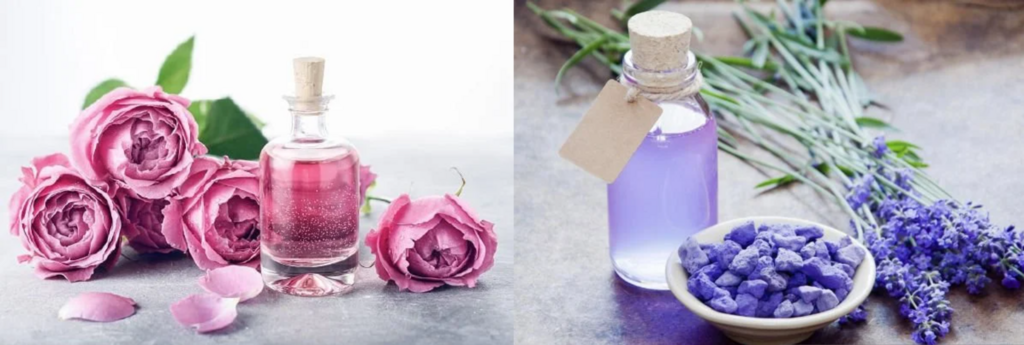
To explain it as simply as possible, a hydrosol is the aromatic water that results from steam distillation or water distillation of plant material from over 50 plants, such as lavender.
During the distillation process, when the plant material is exposed to the appropriate pressure and temperature, its water-soluble phytochemicals are entrained with the vapor. When the vapor, cooled by the cooling column, condenses and flows into the collection vessel (due to the difference in density), it separates, leaving the essential oil at the top and the hydrosol at the bottom.
Aromatic and therapeutic compounds are released into the hydrosol.
Hydrosols can be used instead of water to create natural fragrances, lotions, creams, facial toners, and other skin care products.
They can also be added to baths and used alone as a light cologne or body spray.
Rose, lavender, chamomile, and bay laurel hydrosols are among the most commonly used hydrosols.

It's 2020 and we exist
It's 2021 and we've moved our trade to the international arena.
2022 and we launched our second company Anka Group in Bulgaria
2023 and we launched our third company in Dubai
It's 2024 and we rolled up our sleeves to produce zwack, and that's how it came to life.
Lorem ipsum dolor sit amet, consetetur sadipscing elitr, sed diam nonumy eirmod tempor invidunt ut labore et dolore magna aliquyam erat, sed diam voluptua.


Lorem ipsum dolor sit amet, consectetur adipisicing elit. Natus, dolores, at, nisi eligendi repellat voluptatem minima officia veritatis quasi animi porro laudantium dicta dolor voluptate non maiores ipsum reprehenderit odio fugiat reiciendis consectetur fuga pariatur libero accusantium quod minus odit debitis cumque quo adipisci vel vitae aliquid corrupti perferendis voluptates.

Lorem ipsum dolor sit amet, consectetur adipisicing elit. Natus, dolores, at, nisi eligendi repellat voluptatem minima officia veritatis quasi animi porro laudantium dicta dolor voluptate non maiores ipsum reprehenderit odio fugiat reiciendis consectetur fuga pariatur libero accusantium quod minus odit debitis cumque quo adipisci vel vitae aliquid corrupti perferendis voluptates.

Lorem ipsum dolor sit amet, consectetur adipisicing elit. Natus, dolores, at, nisi eligendi repellat voluptatem minima officia veritatis quasi animi porro laudantium dicta dolor voluptate non maiores ipsum reprehenderit odio fugiat reiciendis consectetur fuga pariatur libero accusantium quod minus odit debitis cumque quo adipisci vel vitae aliquid corrupti perferendis voluptates.

Lorem ipsum dolor sit amet, consectetur adipisicing elit. Natus, dolores, at, nisi eligendi repellat voluptatem minima officia veritatis quasi animi porro laudantium dicta dolor voluptate non maiores ipsum reprehenderit odio fugiat reiciendis consectetur fuga pariatur libero accusantium quod minus odit debitis cumque quo adipisci vel vitae aliquid corrupti perferendis voluptates.
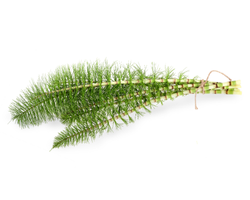
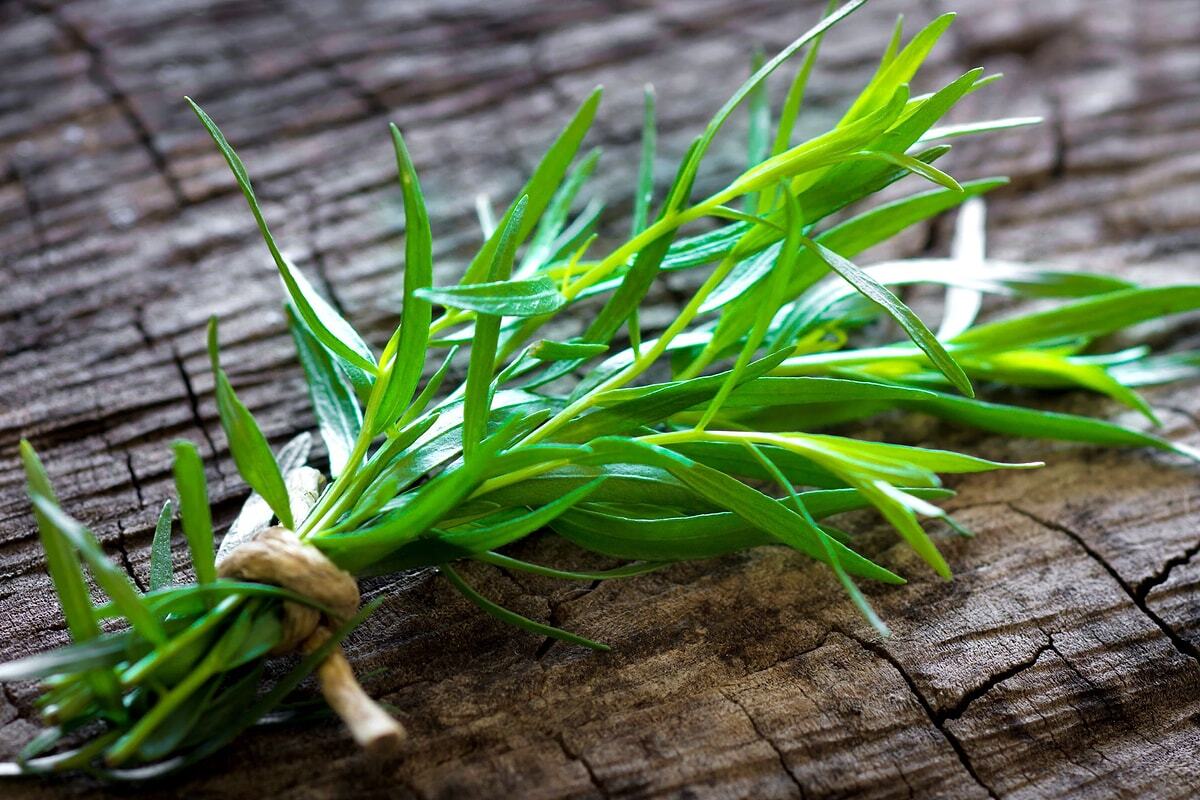
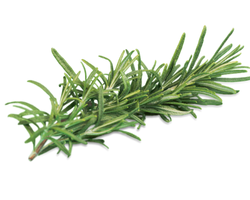
This water-based material, derived from plants, is also known as plant sap. These beneficial ingredients, which can contribute significantly to a wide range of areas, can be obtained at home through careful experimentation. Plant sap, also known as hydrolates in laboratory settings, contains a significant amount of water due to the distillation process. Furthermore, vitamins and minerals that may be present in water are naturally incorporated into the sap.
Flavors, an essential component of the food industry, are elements that add character to products, enrich the consumer experience, and reinforce brand loyalty. These flavors generally come in two basic forms: powder and liquid. Each offers different advantages depending on their intended use and technical specifications.
Powdered flavors are generally preferred in dry food products. They have a long shelf life, are easy to transport, and are convenient to dose. They are frequently used in bakery products, ready-made soups, and snacks.
Liquid flavors, on the other hand, are prominent in moist foods such as beverages, dairy products, and sauces. Their homogeneous distribution and intense flavor profile significantly impact the flavor of the product.
These two flavor forms have the power to shape not only taste but also smell, color, and even the perceived quality of the product. With developing technology, flavors derived from natural sources have become competitive with synthetic alternatives, and sustainability and health-focused approaches have become decisive factors in flavor selection.
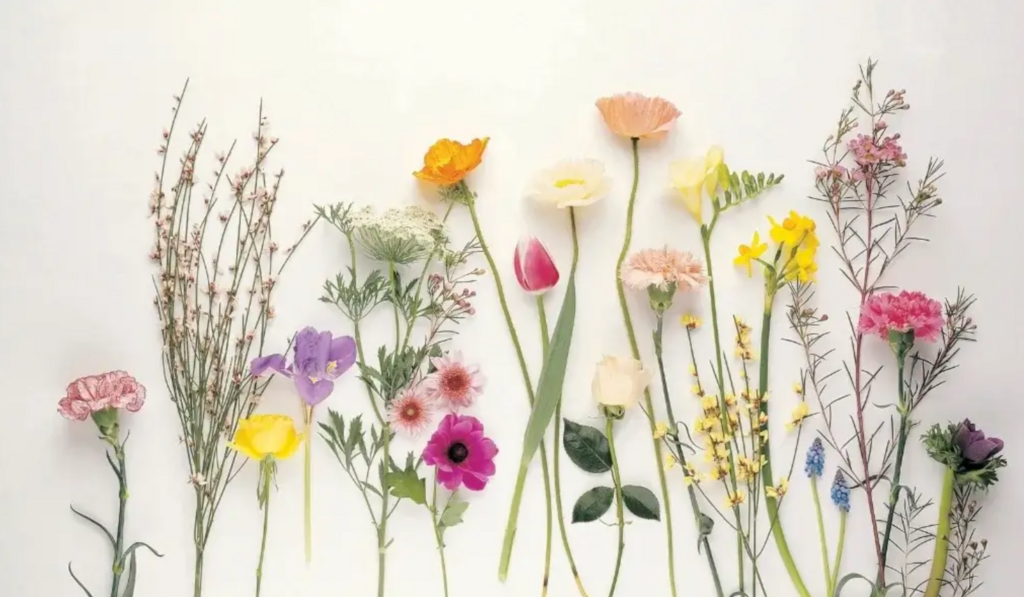
product sample work special for you
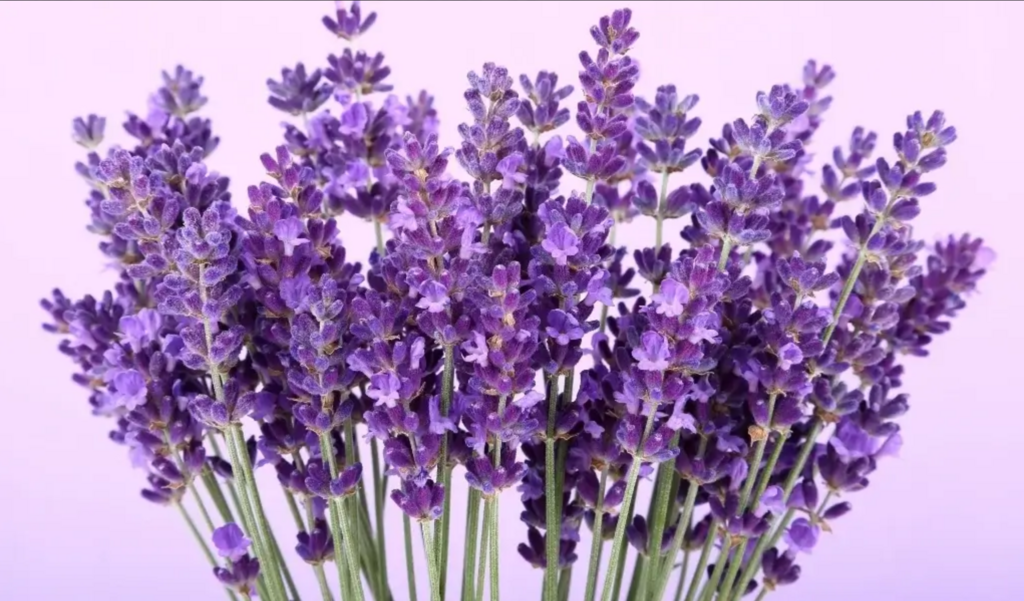
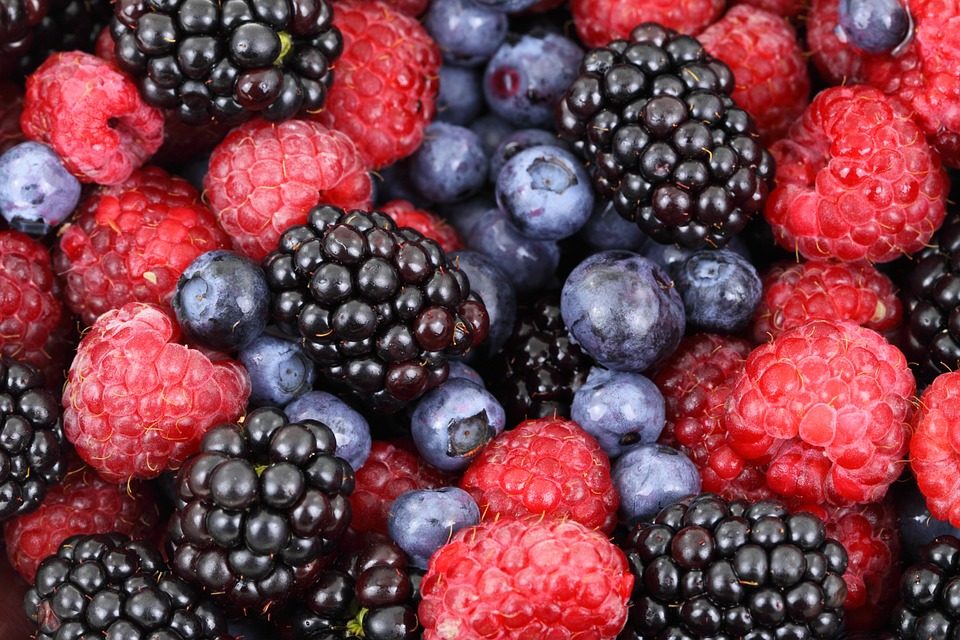
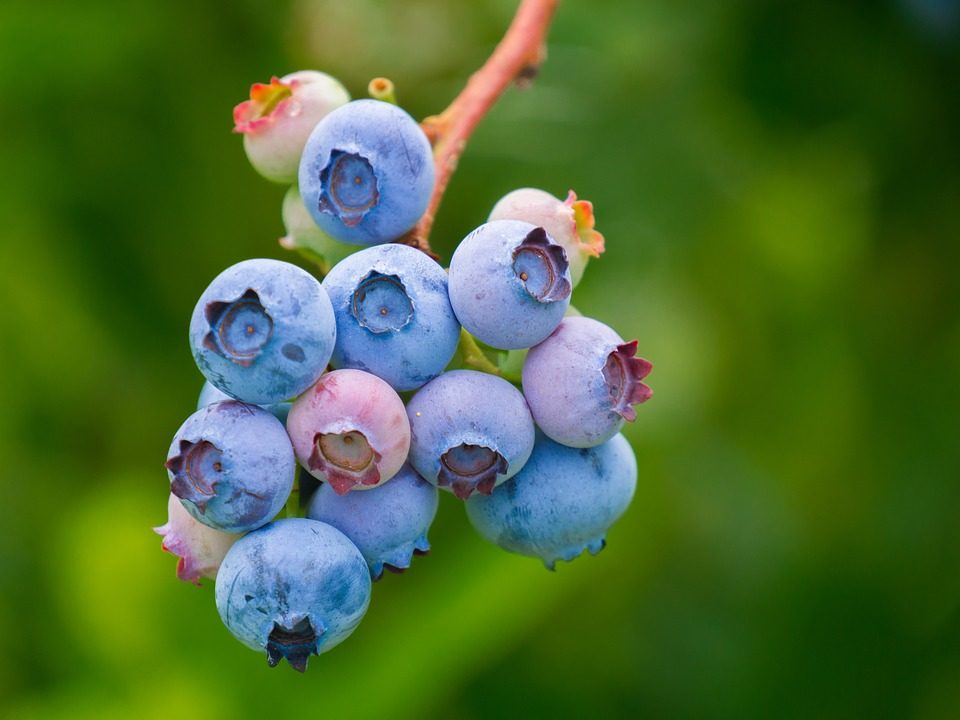
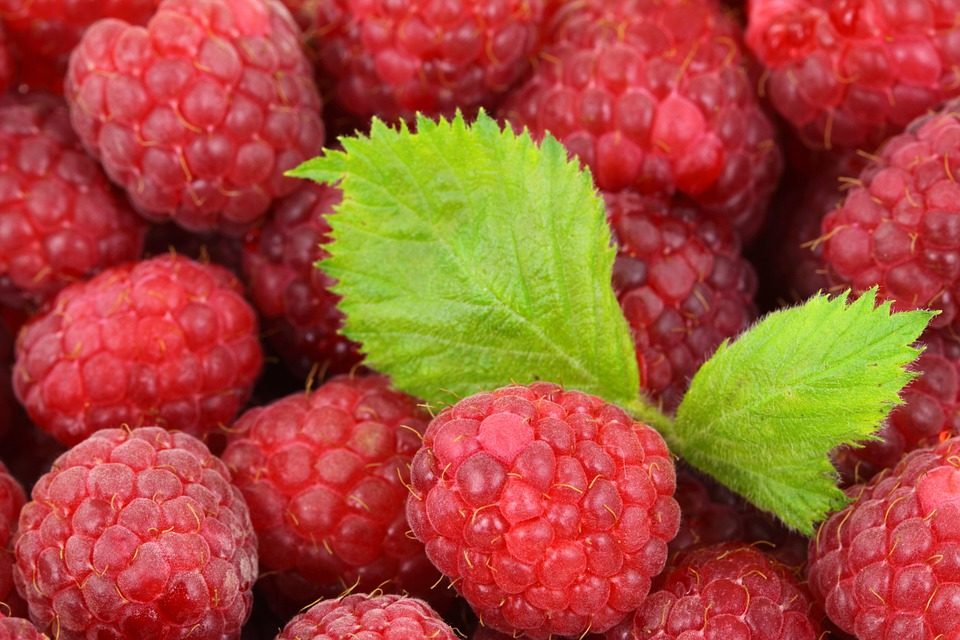
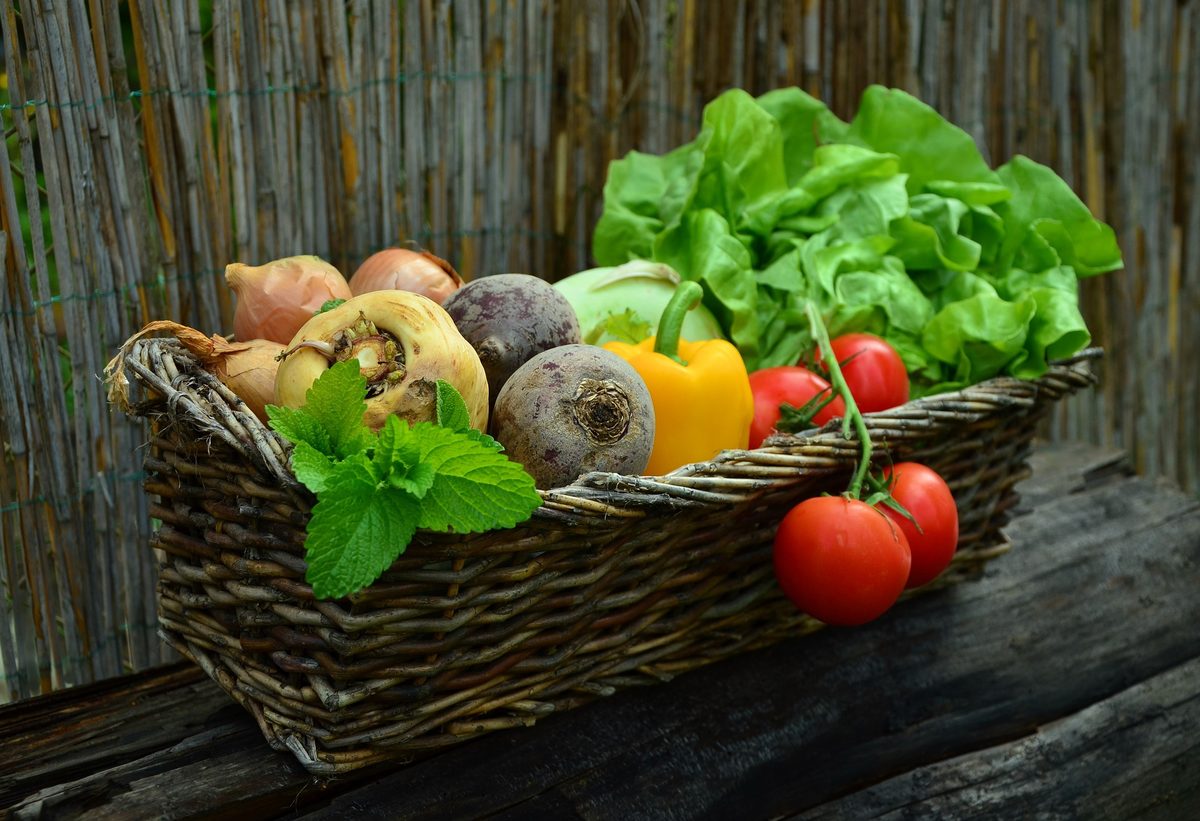
We produce more than 50 aromas from vegetable, flower and fruit essences.
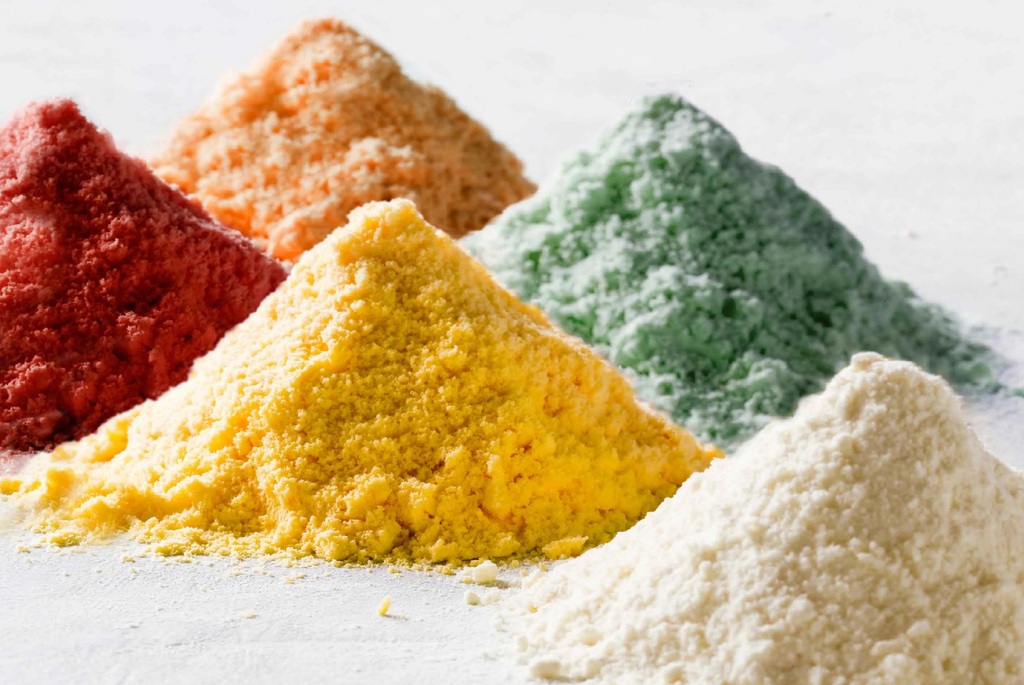
We can produce the flavor you want in powder and liquid form.






Per year liter
country
CUstomers
kind of aroma